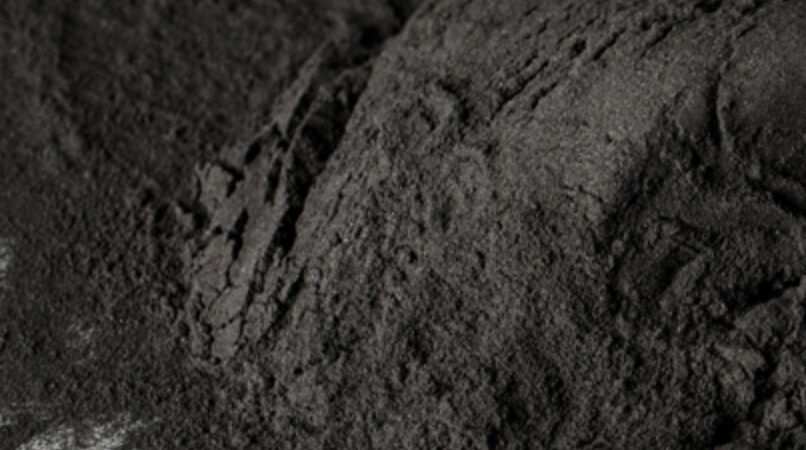
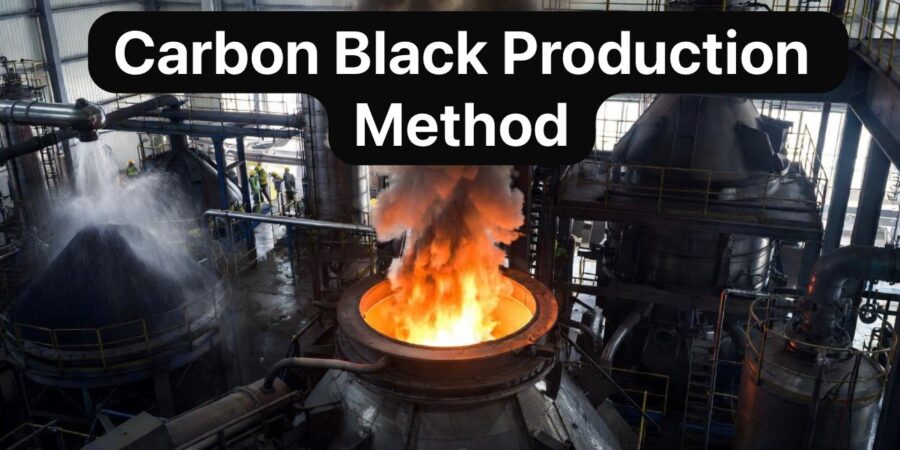
Carbon black is produced by breaking down hydrocarbons under controlled conditions. The main production methods differ in how the raw material is decomposed and how the particles are formed. Overview: The dominant industrial method.How it works: Heavy petroleum oils (like residual oils) are injected into a high-temperature combustion chamber with limited oxygen.Process type: Incomplete combustion.Conditions:
Carbon Black Price
Carbon black prices vary by region, grade (e.g., N220, N330), and contract terms, but here are the latest reliable benchmarks (2025–2026): Current carbon black price (2026) Global average: about $1.1 – $1.9 per kgThat equals roughly: $1,100 – $1,900 per metric ton Regional snapshot (early 2026) Middle East: $1.5–1.63/kg $1,500–1,630/tonAsia (China/Japan): $1.0–1.2/kg $1,000–1,200/tonEurope: $1.6–1.7/kg $1,600–1,700/tonNorth
Carbon Black Uses
Carbon black is a fine black powder made mostly of elemental carbon, and it has a wide range of industrial uses due to its strength, conductivity, and pigmentation properties. Here are the main uses: The largest use (~70–80%)Reinforces rubber, improving: DurabilityWear resistanceUV protection Common in car tires, belts, hoses, and seals Used as a deep