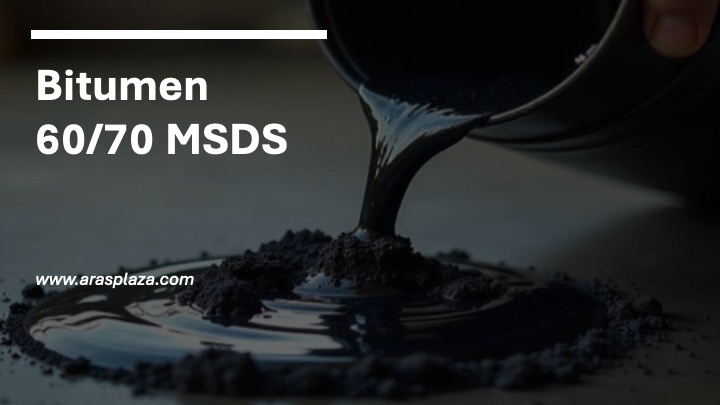
Here is a MSDS (Material Safety Data Sheet) for Bitumen 60/70 based on standard industry SDS documents: Bitumen 60/70 – MSDS Product name: Bitumen 60/70CAS No.: 8052-42-4UN No.: 3257Use: ರಸ್ತೆ paving, waterproofing, coatings, insulation Main component: Petroleum bitumen (≈ 99–100%)May contain: Trace polycyclic aromatic hydrocarbons (PAHs)Small amounts of hydrogen sulfide (H₂S) gas Generally not classified
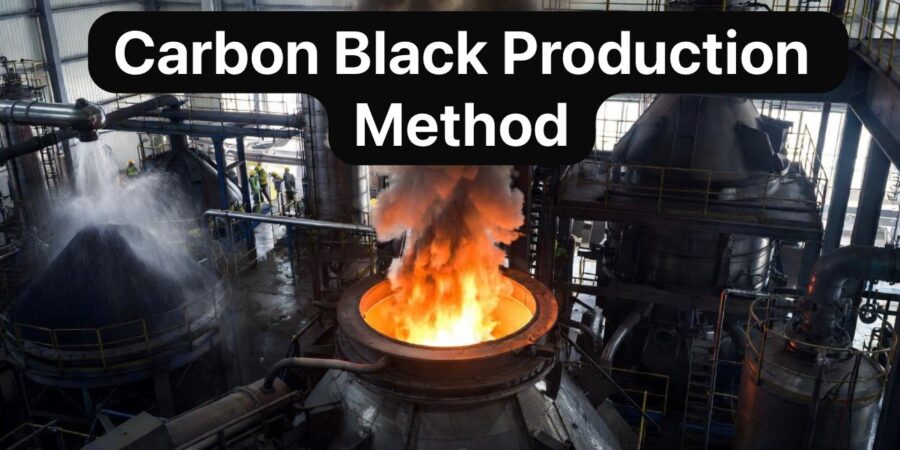
Carbon Black Production Methods
Carbon black is produced by breaking down hydrocarbons under controlled conditions. The main production methods differ in how the raw material is decomposed and how the particles are formed. Overview: The dominant industrial method.How it works: Heavy petroleum oils (like residual oils) are injected into a high-temperature combustion chamber with limited oxygen.Process type: Incomplete combustion.Conditions:
Carbon Black Price
Carbon black prices vary by region, grade (e.g., N220, N330), and contract terms, but here are the latest reliable benchmarks (2025–2026): Current carbon black price (2026) Global average: about $1.1 – $1.9 per kgThat equals roughly: $1,100 – $1,900 per metric ton Regional snapshot (early 2026) Middle East: $1.5–1.63/kg $1,500–1,630/tonAsia (China/Japan): $1.0–1.2/kg $1,000–1,200/tonEurope: $1.6–1.7/kg $1,600–1,700/tonNorth
Carbon Black Uses
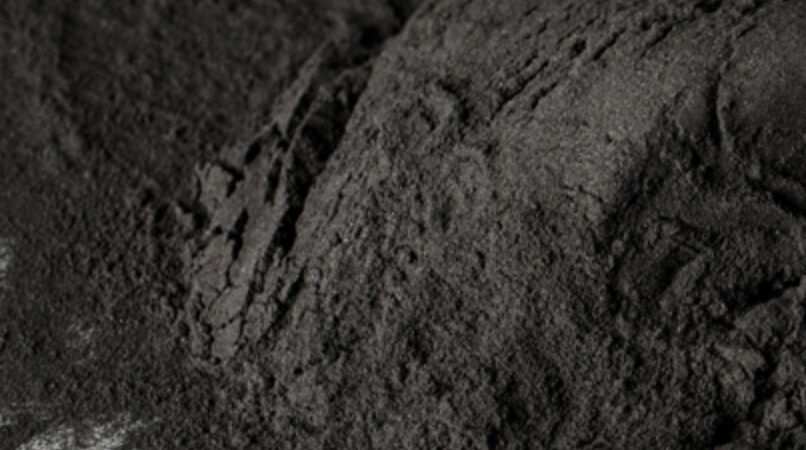
Carbon black is a fine black powder made mostly of elemental carbon, and it has a wide range of industrial uses due to its strength, conductivity, and pigmentation properties. Here are the main uses: The largest use (~70–80%)Reinforces rubber, improving: DurabilityWear resistanceUV protection Common in car tires, belts, hoses, and seals Used as a deep
BITUMEN 60/70 SUPPLIERS
Bitumen 60/70 is a penetration-grade bitumen widely used in road construction and various industrial applications due to its optimal balance between hardness and flexibility. Several reputable suppliers offer high-quality Bitumen 60/70. Here are some notable options Aras Petrochemical Company Produces high-quality Bitumen 60/70, offering packaging in new steel drums and jumbo bags to meet international standards. Asia
WHAT IS BITUMEN 60/70
Bitumen 60/70 is a penetration-grade bitumen commonly used in road construction, asphalt paving, and waterproofing. The 60/70 classification refers to the penetration value, which indicates the hardness and consistency of the bitumen. Key Properties of Bitumen 60/70: Why Use Bitumen 60/70 ?Balanced Hardness & FlexibilityIt provides a good balance between stiffness and elasticity, making it
Grades of Bitumen
Bitumen grades are typically categorized based on their physical properties, such as viscosity, penetration, and softening point. The most common grading systems include: Different countries and standards may use variations of these systems. Let me know if you need details on a specific grade or system!
Bitumen in Battery Manufacturing
Bitumen is a viscous, black material primarily used in road construction and roofing. However, its role in battery manufacturing is less direct but can still be relevant in specific contexts. Overall, while bitumen is not a primary material in mainstream battery technologies like lithium-ion batteries, its unique properties can find niche applications in battery production.
How Bitumen is using in Battery Manufacturing
Bitumen isn’t commonly used directly in battery manufacturing. However, it can play a role in the battery industry indirectly through its use in related applications. Here are a few ways bitumen might be involved: In battery technology, materials like lithium, cobalt, and graphite are more directly relevant. If you have a specific type of battery
How Bitumen is using in Bituminous Membranes
Bitumen is a key component in bituminous membranes, primarily used for waterproofing applications. Bituminous membranes are sheets made from a blend of bitumen (asphalt) and other materials, providing a durable and flexible barrier against water and moisture penetration. Here’s how bitumen is used in bituminous membranes: 1. Composition of Bituminous Membranes: 2. Types of Bituminous Membranes: 3. Application