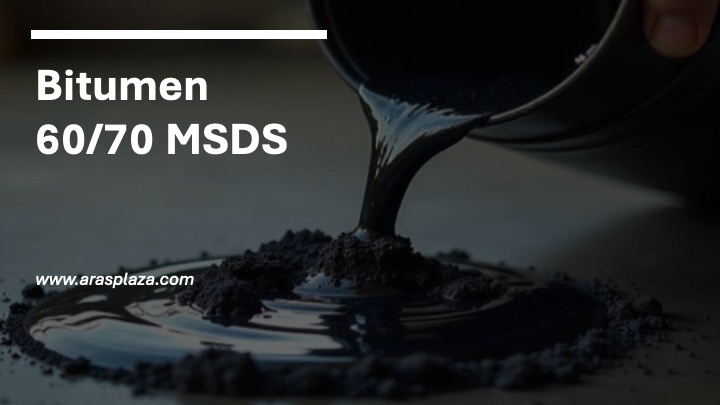
Bitumen 60/70 MSDS

Here is a MSDS (Material Safety Data Sheet) for Bitumen 60/70 based on standard industry SDS documents: Bitumen 60/70 – MSDS Product name: Bitumen 60/70CAS No.: 8052-42-4UN No.: 3257Use: ರಸ್ತೆ paving, waterproofing, coatings, insulation Main component: Petroleum bitumen (≈ 99–100%)May contain: Trace polycyclic aromatic hydrocarbons (PAHs)Small amounts of hydrogen sulfide (H₂S) gas Generally not classified
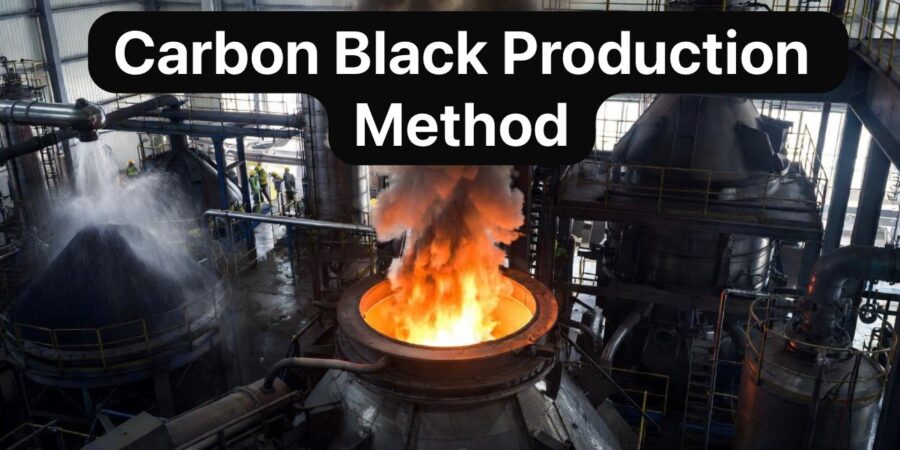
Carbon Black Production Methods

Carbon Black Production Methods

Carbon black is produced by breaking down hydrocarbons under controlled conditions. The main production methods differ in how the raw material is decomposed and how the particles are formed. Overview: The dominant industrial method.How it works: Heavy petroleum oils (like residual oils) are injected into a high-temperature combustion chamber with limited oxygen.Process type: Incomplete combustion.Conditions:

Carbon Black Price

Carbon Black Price

Carbon black prices vary by region, grade (e.g., N220, N330), and contract terms, but here are the latest reliable benchmarks (2025–2026): Current carbon black price (2026) Global average: about $1.1 – $1.9 per kgThat equals roughly: $1,100 – $1,900 per metric ton Regional snapshot (early 2026) Middle East: $1.5–1.63/kg $1,500–1,630/tonAsia (China/Japan): $1.0–1.2/kg $1,000–1,200/tonEurope: $1.6–1.7/kg $1,600–1,700/tonNorth

Carbon Black Uses

Carbon Black Uses

Carbon black is a fine black powder made mostly of elemental carbon, and it has a wide range of industrial uses due to its strength, conductivity, and pigmentation properties. Here are the main uses: The largest use (~70–80%)Reinforces rubber, improving: DurabilityWear resistanceUV protection Common in car tires, belts, hoses, and seals Used as a deep