
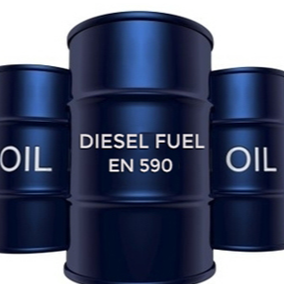
EN 590 is the European standard that defines the specifications for automotive diesel fuel. It ensures that diesel sold across Europe (and in many other countries that adopt EU standards) meets consistent quality, performance, and environmental requirements.
Here’s a concise overview:
🔹 Full NameEN 590: Automotive Fuels – Diesel – Requirements and Test Methods
🔹 PurposeEN 590 specifies:
Physical and chemical properties of diesel fuel.
Limits for contaminants and additives.
Test methods to ensure compliance.
It ensures diesel engines operate efficiently and that emissions meet European environmental standards.
🔹 Key Specifications (Typical for EN 590:2024 revision)
Property Requirement
Cetane number ≥ 51
Density @ 15°C 820–845 kg/m³
Sulfur content ≤ 10 mg/kg (ultra-low sulfur diesel)
Flash point ≥ 55°C
FAME (biodiesel) content Up to 7% (B7)
CFPP (Cold Filter Plugging Point) Varies by climate class (from −5°C to −34°C)
Lubricity (HFRR) ≤ 460 µm
Viscosity @ 40°C 2.0–4.5 mm²/s
🔹 Biodiesel Content
EN 590 allows up to 7% FAME (Fatty Acid Methyl Esters) — this blend is often labeled B7 diesel.
🔹 Environmental Impact
Limits sulfur to reduce particulate and SO₂ emissions.
Compatible with modern Euro 6 diesel engines and after-treatment systems (DPF, SCR).
🔹 Common Naming
EN 590 Diesel
B7 Diesel
Ultra-Low Sulfur Diesel (ULSD) (when sulfur ≤10 ppm)
Overview
Features:
- EN590
- Diesel Fuel
Seller Information

Location
Related Ads

Leave feedback about this